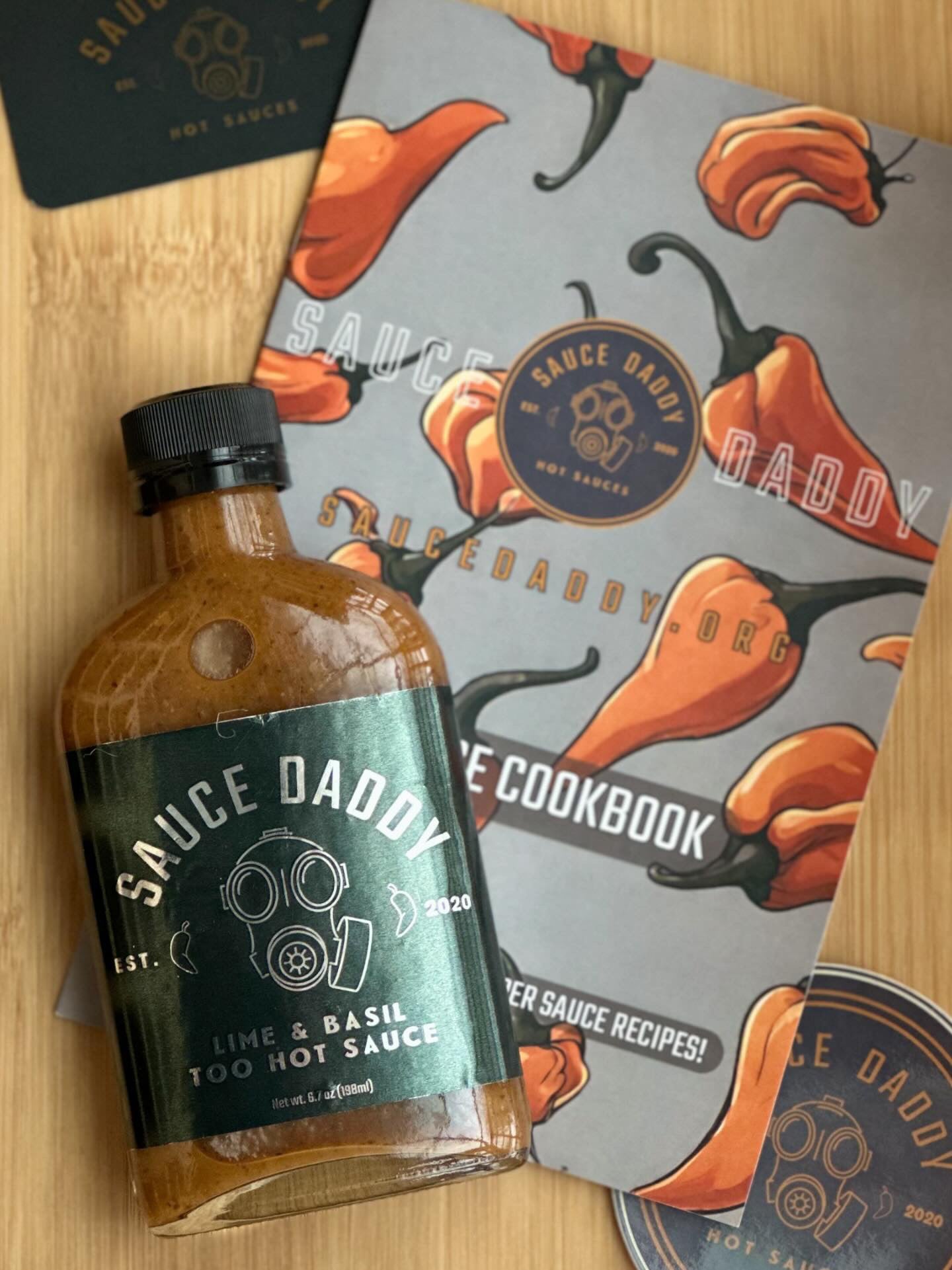
If there’s one condiment that has the power to transform an average dish into something unforgettable, it's hot sauce. Whether you’re drizzling it over tacos, mixing it into a bowl of ramen, or just reaching for it on the side of your fries, hot sauce is the fiery friend that brings heat and flavor to almost any meal. But what is it about this spicy sauce that has so many of us hooked?
A Brief History of Hot Sauce
Hot sauce has been a staple of human cuisine for centuries, with its origins tracing back to the ancient civilizations of the Americas. The combination of chili peppers and vinegar (or other acidic ingredients) has long been used as a way to preserve food and, of course, add some zing to everyday meals.
In fact, the Aztecs and Mayans were some of the first to use chili peppers, which are native to the Americas, in their cooking. They would mash them into a paste and mix them with herbs and spices. Fast forward a few hundred years, and hot sauce has become an international phenomenon, with different cultures putting their own spin on it. From the smoky chipotle flavors of Mexico to the tangy and vinegary sauces of the American South, there’s a hot sauce out there for every palate.
The Science of Spice: Why Do We Love It?
If you’ve ever had your mouth on fire after a spicy bite, you’ve probably wondered, "Why do I keep eating this?" The answer lies in a chemical compound called capsaicin, which is found in chili peppers. Capsaicin binds to receptors in our mouths that are responsible for detecting heat and pain, tricking the brain into thinking we’re in some kind of discomfort. But here’s the catch: this “pain” actually stimulates the release of endorphins, our brain's natural painkillers, leading to that delightful "high" that many people crave. It’s the ultimate combination of pain and pleasure, and that’s what makes hot sauce so addictive.
Not only does capsaicin bring the heat, but it also offers potential health benefits. Studies suggest that capsaicin can boost metabolism, reduce inflammation, and even promote heart health by improving blood circulation. Of course, these benefits are more of a side bonus for most hot sauce lovers—what really draws us in is that irresistible burn!
Exploring the Different Types of Hot Sauce
Hot sauce isn’t just one flavor profile; it’s an entire world of tastes, textures, and intensities. There are hundreds of varieties, each with its own unique combination of heat and flavor. Here are a few of the most popular:
-
Tabasco: The classic American hot sauce made with distilled vinegar, red pepper, and salt. It’s tangy, salty, and has a sharp, vinegary kick.
-
Sriracha: This Thai-inspired sauce has become a global sensation thanks to its balanced mix of sweetness, garlic, and heat. Its smooth texture and versatile flavor make it a perfect fit for everything from pho to pizza.
-
Frank’s RedHot: Known for its role in classic buffalo wings, Frank’s offers a mild, tangy heat that adds a kick without overwhelming the palate. It’s perfect for anyone just starting to explore hot sauces.
-
Cholula: This Mexican hot sauce is loved for its subtle heat and complex, earthy flavor. Made with a blend of arbol and piquin peppers, it’s a great way to add a bit of warmth without overpowering a dish.
-
Caribbean-Style Sauces: These often combine scotch bonnet peppers with tropical fruits like mango or papaya, resulting in a sweet and fiery sauce perfect for jerk chicken or grilled seafood.
How to Use Hot Sauce in Your Cooking
While many people think of hot sauce as just a topping or condiment, it’s so much more versatile than that. Here are a few creative ways to use it in the kitchen:
-
Marinades: Hot sauce makes an excellent base for marinades, especially for meats like chicken, pork, or shrimp. Combine it with lime juice, garlic, and honey for a flavorful, spicy marinade.
-
Soups and Stews: A few dashes of hot sauce can elevate the depth of a hearty soup or stew. Try it in a tomato-based soup, chili, or even a creamy potato soup.
-
Dressings and Sauces: Add a little heat to your salad dressing or dipping sauces. Mix hot sauce with mayonnaise, yogurt, or sour cream to make an excellent spicy dip for fries, veggies, or chicken wings.
-
Breakfast: A splash of hot sauce on your eggs, avocado toast, or even a breakfast burrito will give your morning meal a kickstart and a bold flavor boost.
-
Pizza and Pasta: For pizza lovers, hot sauce can take the place of traditional chili flakes. A drizzle of hot sauce on top of a slice or mixed into a pasta sauce adds a satisfying depth of flavor and heat.
Hot Sauce Lovers Unite
There’s something special about the bond that hot sauce lovers share. It’s not just about the heat; it’s about the community. Whether you’re part of the #HotSauceLife movement on social media, attending a fiery hot sauce festival, or trading sauce recommendations with fellow spice enthusiasts, hot sauce brings people together. And with the sheer number of small-batch, craft, and artisanal hot sauces popping up around the world, there’s no shortage of new flavors to try.
So, the next time you reach for that bottle of hot sauce, take a moment to appreciate the complex combination of heat, flavor, and history that’s packed into every drop. And if you’re really adventurous, consider trying a hot sauce challenge—it’s a fun way to test your limits and discover new favorites!